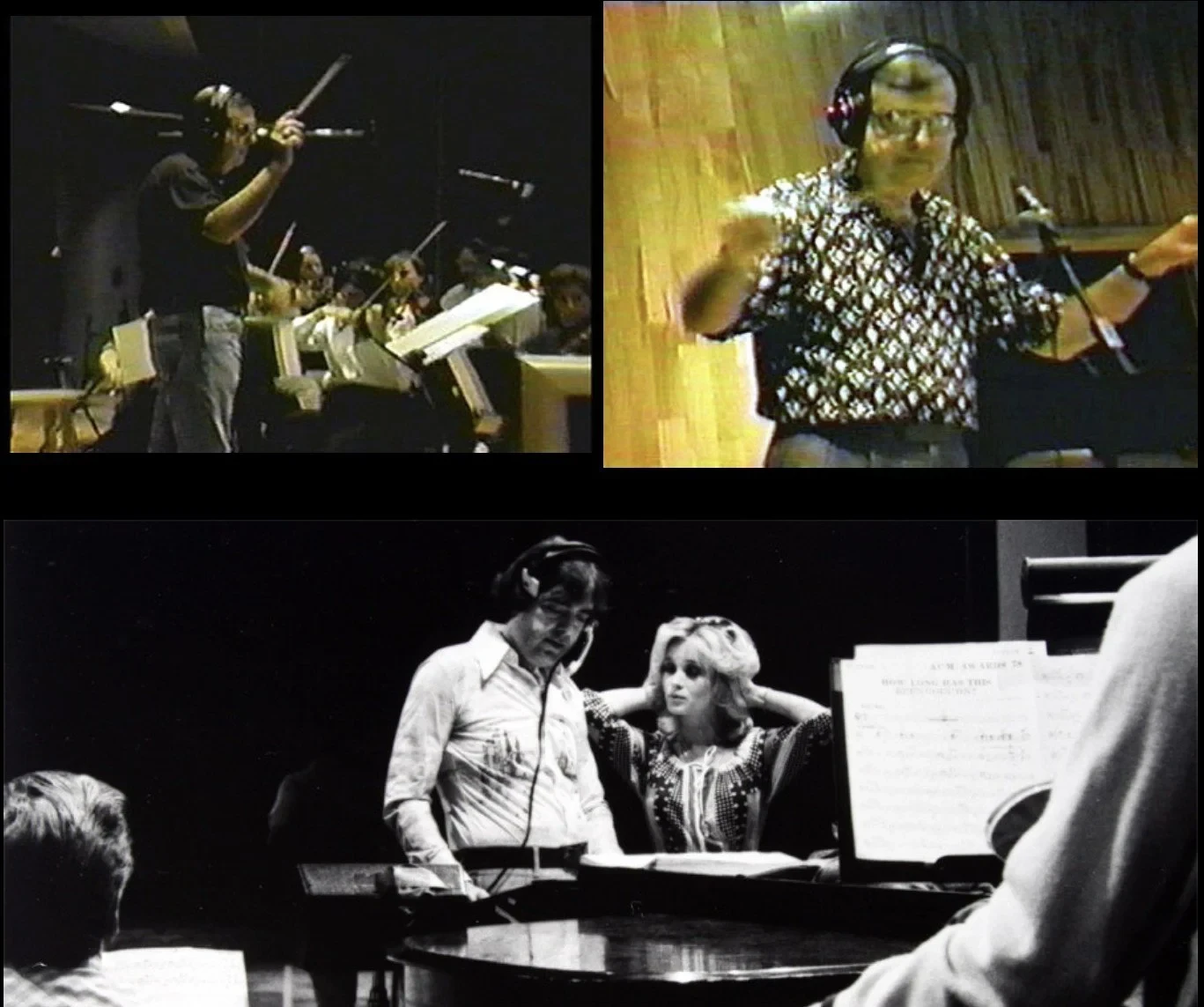
How Symphonic Tone Poems Bring the Nevada Symphony to Life
Music has the power to tell a story without a single word. Discover how the symphonic tone poem — and the composers who shaped it — lies at the heart of the Nevada Symphony.
Music has the power to tell a story without a single word. Through melody, rhythm and instrumentation, composers can transport listeners to different places, evoke emotions and bring vivid imagery to life. This art of musical storytelling is at the heart of the Nevada Symphony.
The Nevada Symphony uses a musical form known as the symphonic tone poem, an orchestral composition designed to evoke a story, painting, landscape, emotion or other nonmusical subject.
Unlike traditional symphonies, which typically follow a structured sequence of movements, symphonic tone poems focus on creating musical impressions and inspiring the listener's imagination. These compositions can suggest specific scenes, ideas and moods, allowing audiences to experience a story through sound.
The Composers Behind the Musical Tradition
Throughout history, influential composers have helped shape the art of musical storytelling. Franz Liszt, Richard Strauss, Bedřich Smetana, Modest Mussorgsky, Claude Debussy and Jean Sibelius are among the composers whose works contributed to the development and popularity of programmatic orchestral music.
Other notable composers, including Pyotr Ilyich Tchaikovsky, Sergei Rachmaninoff, Camille Saint-Saëns and George Gershwin, helped expand the expressive possibilities of orchestral composition.
Their musical innovations continue to influence contemporary composers and the development of cinematic scores.
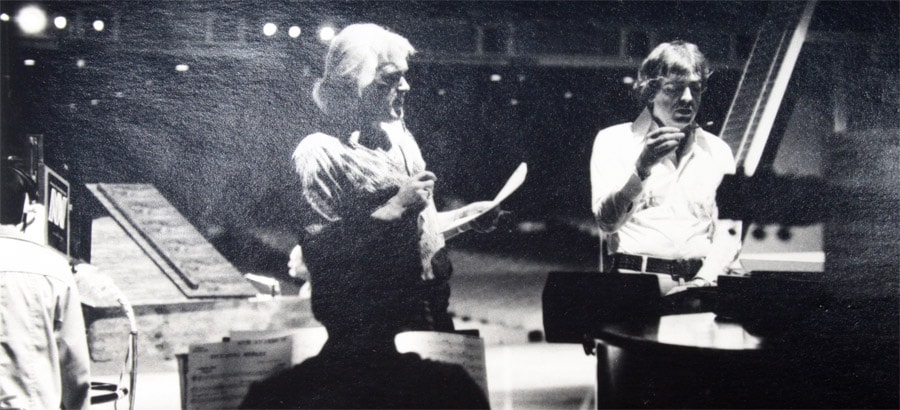
Telling Stories Through Sound
What makes orchestral storytelling so compelling is the way composers combine musical elements to create an emotional experience.
Memorable melodies, dramatic harmonies, unexpected rhythms and shifts in tempo can evoke everything from quiet reflection to powerful moments of tension and excitement.
Composers also use changes in volume and combinations of instruments to create distinct musical colors. A delicate passage played by a single instrument can establish an intimate mood, while the full orchestra can deliver a sweeping, dramatic moment.
Together, these techniques allow music to communicate stories, images and emotions without relying on dialogue or narration.
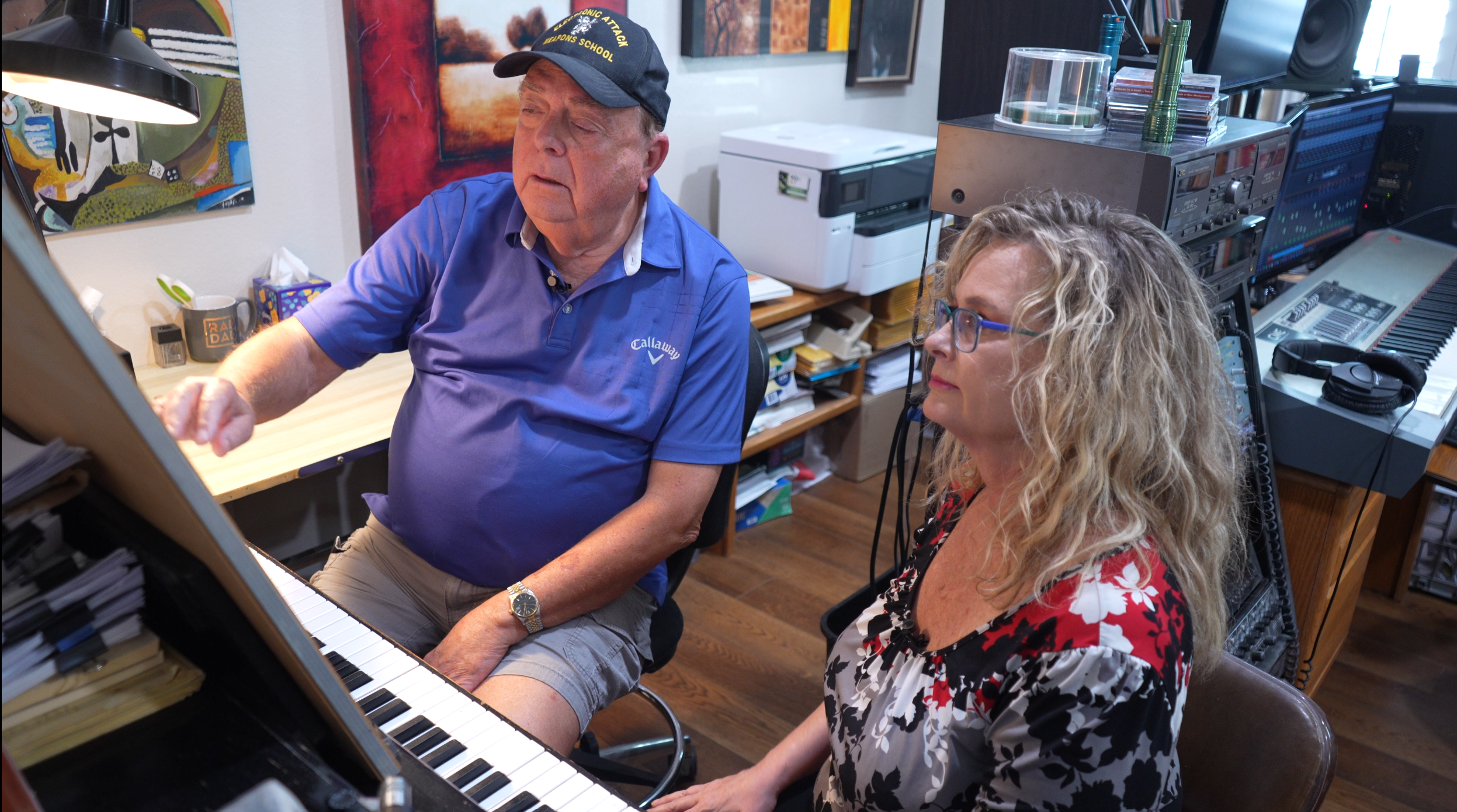
Connecting the Nevada Symphony to Film
The same musical principles that shaped symphonic tone poems have influenced film composers throughout the 20th and 21st centuries.
Just as a film score helps audiences connect with the emotions and events unfolding on screen, a symphonic tone poem uses orchestral music to suggest a narrative and stimulate the imagination.
The Nevada Symphony draws on this tradition, demonstrating how orchestral composition can transform imagery, emotion and storytelling into a musical experience.
Through this connection between symphonic music and cinematic expression, the Nevada Symphony reflects the enduring power of music to bring stories to life.
Explore Topics
Written by